

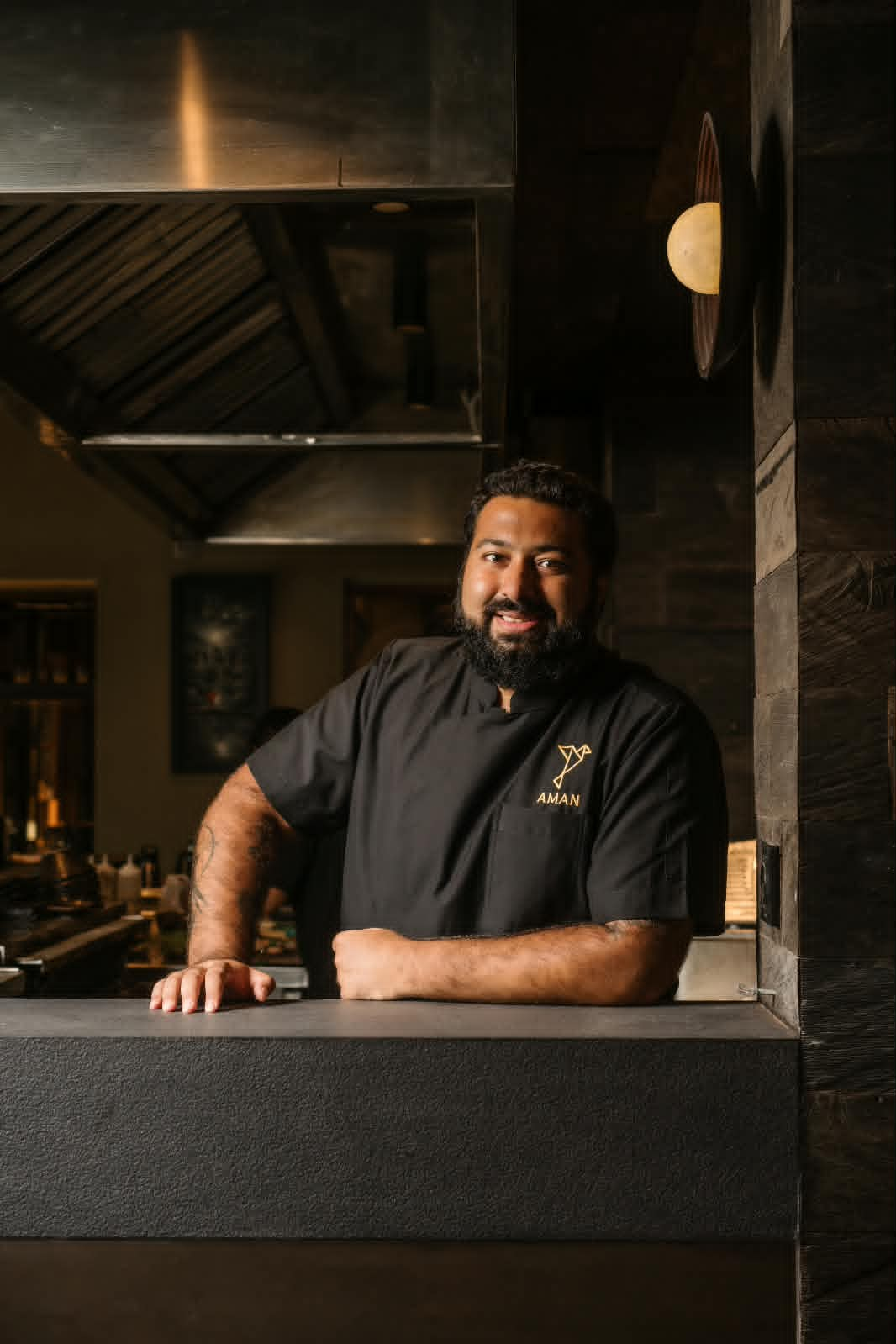
JAKARTA, balitourismnow.com – From a Jakarta childhood shaped by Indonesian and Sindhi Indian cooking to a Michelin-starred yakitori counter in New York, Aman Lakhiani’s journey to Junsei has been anything but straightforward.
London’s Marylebone, with its designer boutiques and polished restaurants, feels a world away from the gentle shores of Sanur in southeast Bali. For Chef Aman Lakhiani, however, these two places mark significant chapters in a culinary journey shaped by a diverse mix of influences.
As the executive chef behind Junsei, a Japanese yakitori-ya and vinyl listening bar that first opened in London in 2021 before expanding to Bali, Chef Aman has spent years refining a style of cooking in which restraint matters as much as flavour and texture. His approach draws on both the precision and elegance of Japanese cuisine, which he studied at the Tsukiji Sushi Academy in Tokyo, and the lessons he absorbed in his grandmother’s kitchen in Jakarta.
Growing up in an Indonesian-Indian household, Chef Aman was surrounded by two distinct culinary traditions: Indonesian classics and the bold, aromatic flavours of his Sindhi Indian heritage. When his grandmother noticed his growing interest in cooking, she began passing down her recipes, laying the foundations for a relationship with food that would continue to evolve over the years.
Later, while studying culinary arts near New York, a visit to Torishin, the city’s Michelin-starred yakitori restaurant, changed the way he viewed one of his lifelong favourites: satay. Yet it wasn’t just the food that left an impression. It was the entire experience.
“I really liked that sort of casual dining, but everything was really high quality,” says Chef Aman.
“I didn’t need to go in a suit and fancy shoes. I could just go and enjoy really good food in a relaxed atmosphere.”
A Real Luxury
As charcoal grilling gains renewed appreciation in the dining world, both chefs and diners are becoming more attuned to the role fuel plays in shaping flavour. For Chef Aman, this is central to the art of yakitori. At Junsei, every skewer is cooked over binchotan, a high-grade charcoal prized for its intense, clean heat and minimal smoke.
“The main thing that carries the soul of Junsei is the binchotan,” he says.
“A lot of people cook yakitori using gas or electric grills, but I believe it loses its character. Getting freshly grilled skewers cooked over charcoal, I think that’s a real luxury.”
The name Junsei translates roughly to “purity”, a concept that, for Chef Aman, is less about strict authenticity than knowing when to hold back. The philosophy is simple: let the ingredients speak for themselves.
“Each dish that we make at Junsei is to highlight the main ingredient,” he says.
“The supporting ingredients shouldn’t take over.”
This philosophy comes into focus in one of Junsei’s most popular dishes, the tsukune. The chicken meatball is grilled until lightly smoky, then glazed with tare, a sweet-savoury sauce that caramelises over the heat. Served with cured egg yolk for dipping, it is deceptively simple. Beneath that simplicity lies a careful balance of texture, seasoning and timing, guided as much by intuition as by technique.
That level of precision takes time to master. At Junsei, chefs undergo up to a year of training before they are entrusted with the grill.
Listen Closer
At Junsei, the same attention to detail extends well beyond the plate. A vinyl collector since childhood, Chef Aman approaches the music with the same thoughtfulness he brings to the kitchen. Warm timber interiors help shape the room’s acoustics, while custom-built speakers by Indonesian audio designer Iwan Arjanto, known for his handcrafted reproductions of iconic vintage speakers, deliver a rich, clear sound without overpowering the space.
“We really care about what you’re listening to, and how you’re listening to it,” says Chef Aman. “It’s there, but it’s not invasive.”
Next door, Tamba by Junsei, Bali’s first dedicated tea room and vinyl listening bar, is quickly establishing itself as one of Sanur’s most inviting evening destinations.
Fermentation-led cocktails, a custom-built hi-fi system and carefully considered acoustics set the tone, while regular DJ sets, open-deck nights and collaborations with fellow food and beverage businesses bring food, drinks and vinyl together.
More than simply a place to eat or drink, Tamba is designed for people to slow down, listen closely and connect, whether over a carefully mixed cocktail, a favourite record or a conversation that stretches into the night.
A New Chapter
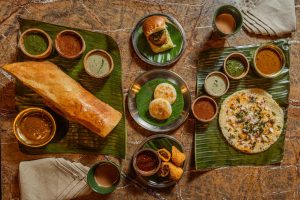
That sense of connection carries into Chef Aman’s latest venture, Lamuri, located next to Tamba by Junsei. Named after an ancient kingdom and trading port on Sumatra’s northern coast, the restaurant explores the culinary connections between South India and the Indonesian archipelago.
In a country where Padang cuisine is deeply woven into everyday life, with rumah makan Padang found across the archipelago, Lamuri offers a different perspective. Rather than revisiting familiar dishes alone, it looks further into the cultural exchanges and culinary influences that have helped shape Indonesia’s rich food traditions.
Where Junsei reflects years of studying and refining a cuisine from the outside, Lamuri brings Chef Aman closer to the food and flavours he grew up with. The two restaurants represent different approaches to cooking, yet both are guided by the same instinct: knowing what to preserve and what to leave alone.
“Junsei taught me discipline and precision,” he says.
At Lamuri, the challenge is different. It is not simply about refining a dish, but understanding how much refinement it can take before something essential is lost. As he puts it, the challenge is “knowing how far to refine something without polishing away the character that made the dish exciting in the first place.”
The new restaurant, he says, “feels like a return to my roots, but also like the next stage of who I am becoming as a chef.” []